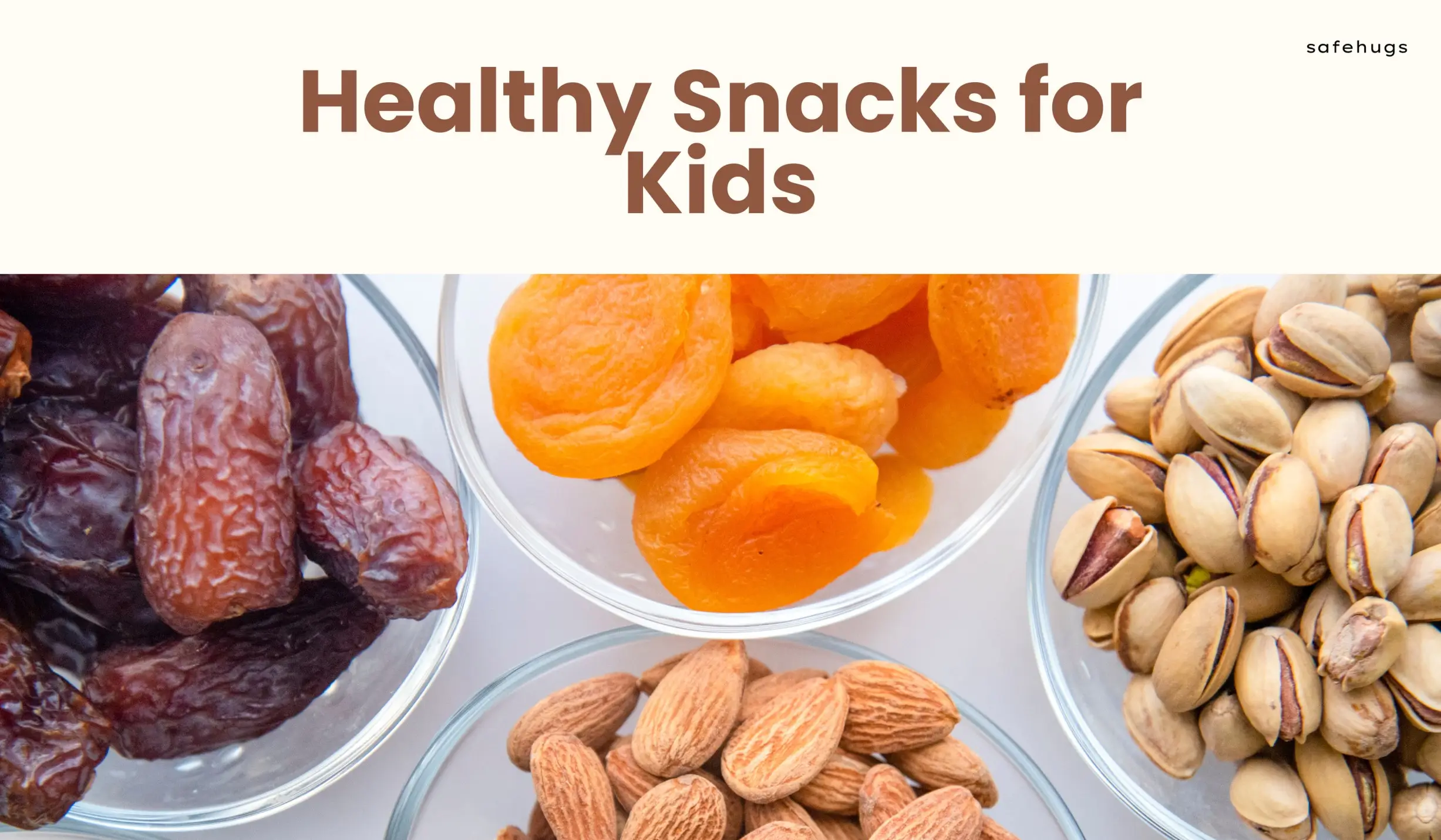
Healthy Snacks for Kids: Easy & Homemade Ideas for Every Day
Table of Content
Quick & Easy Healthy Snacks for Kids
Homemade Healthy Snacks for Kids
Healthy Snacks for Kids (School Lunchbox Ideas)
Protein Rich Healthy Snacks for Kids
Iron-Rich Healthy Snacks for Kids
Brain Boosting Snacks for Kids
Snacks to Limit or Avoid
Snacking is a natural part of childhood, but it often comes with a common concern: are kids eating too many unhealthy foods? With easy access to packaged options, it can feel confusing to choose between convenience and nutrition. The truth is, snacks are not something to avoid. Healthy snacks for kids play an important role in supporting energy, growth, and overall development, especially since children have smaller appetites and need to eat more frequently than adults. Instead of trying to eliminate snacks, the focus should be on making better, practical choices that fit into everyday routines.

What Counts as a Snack vs a Meal?
A meal is usually more filling and balanced. It includes a mix of grains, protein, and healthy fats, for example, rice with dal, ragi porridge, or roti with vegetables. These foods provide sustained energy and support growth.
A snack, on the other hand, is lighter and given in between meals. Snacks help manage hunger and keep energy levels steady throughout the day. Many parents rely on fruits as snacks because they are quick, easy, and well accepted by children, and that’s completely okay. However, fruits alone are not a complete meal since they don’t provide enough protein or fats. They work best as a snack or when combined with other foods, like banana with ragi or fruit with yogurt.
Our pediatrician suggested focusing on 3 main meals like ragi, dal, rice, etc., and offering fruits like banana, apple, or carrot as snacks in between. - from our Mom Insider community
When to Give Snacks to Kids
Timing plays an important role in how well children eat throughout the day. Snacks are best offered mid-morning and in the evening, in between main meals. Keeping a gap of around 2-3 hours between meals and snacks helps children feel hungry enough to eat properly. It's also important to avoid giving snacks too close to mealtime, as this can reduce appetite. Many parents notice that if a snack is given around 6 PM, dinner often gets skipped. This is why timing matters more than quantity when it comes to snacking.
I realised that when I gave a snack around 6 PM, my baby would skip dinner completely. Keeping a gap of 2-3 hours helped my baby actually feel hungry and eat better. - from our Mom Insider community
Quick & Easy Healthy Snacks for Kids (5-minute ideas)
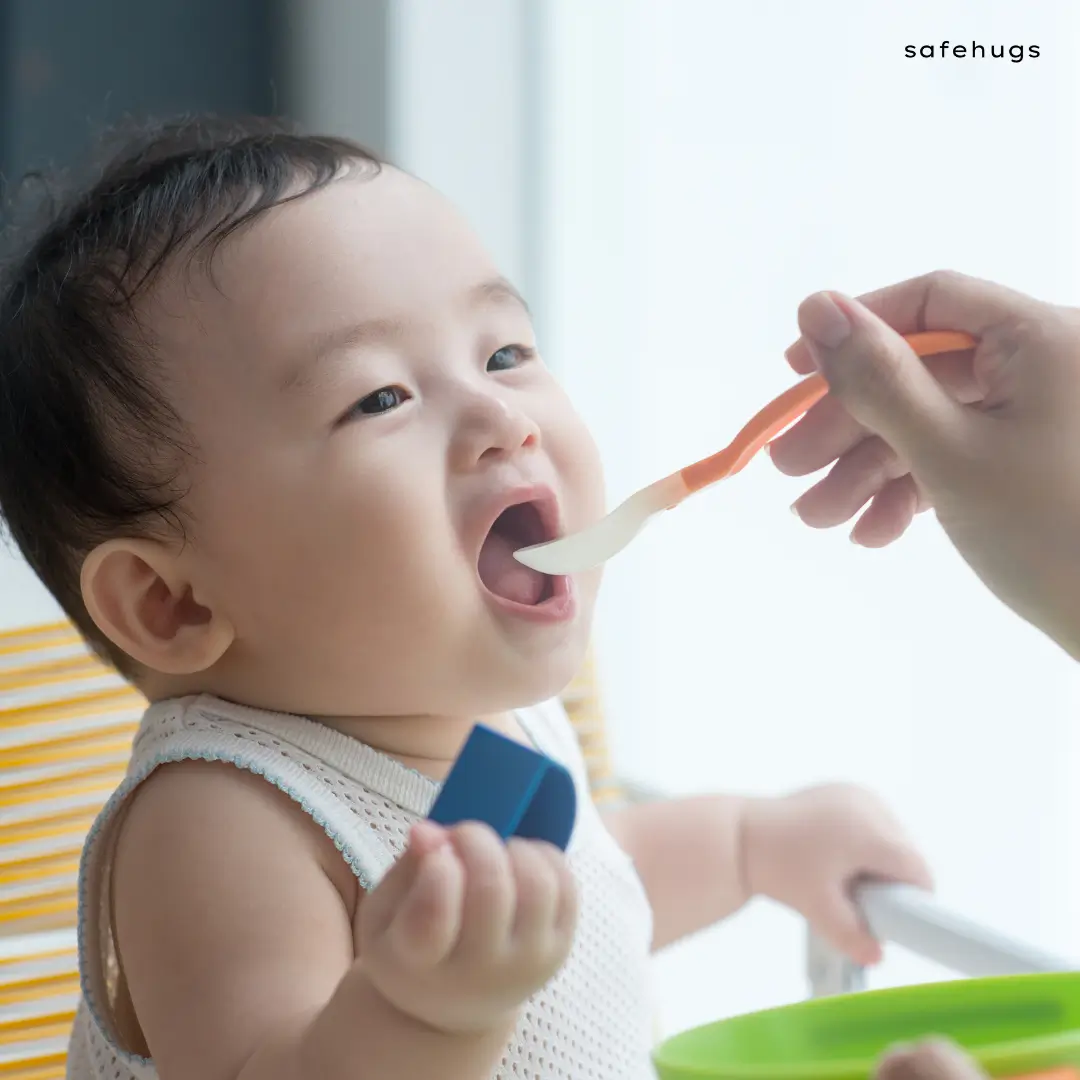
Fruits (cut, mashed, or in a teether)
Fruits are one of the easiest snack options because they require almost no preparation. Soft fruits like banana, papaya, chikoo, or ripe mango can be mashed for younger babies, while older kids can have small, bite-sized pieces. You can also use a fruit teether for mess-free feeding.
Ways to vary: mix two fruits together (banana + papaya), chill slightly during hot weather, or sprinkle a pinch of powdered nuts for added nutrition.
Teether - A teether is a baby product designed for infants to chew on during teething. It helps soothe sore or itchy gums when new teeth start coming in.
Banana with nuts powder
This is a quick way to make a simple fruit more filling. Mash a ripe banana and add a small pinch of dry fruits powder (almond, cashew, or mixed nuts). It adds healthy fats and a bit of protein, helping keep the child full for longer.
Ways to vary: add a little curd for a creamy texture, mix with a spoon of ragi porridge, or serve slightly mashed instead of fully pureed for texture exposure.
Steamed apple or pear
Steaming makes fruits softer and easier to digest, especially for babies who are new to solids. It also reduces the risk of choking while keeping the nutrients intact.
Ways to vary: mash with a fork, cut into soft cubes for self-feeding, or lightly mash with a pinch of cinnamon for older babies (after checking tolerance).
Curd-based snacks
Curd is a simple and nutritious snack that provides protein, calcium, and beneficial bacteria for gut health. It is easy to eat and works well even when children are not very hungry.
Ways to vary: serve plain curd, mix with mashed fruits like banana or mango, or combine with soft rice for a quick curd rice snack.
Soaked raisins
Soaking raisins makes them soft, easier to chew, and safer for younger children. They provide natural sweetness and quick energy.
Ways to vary: mash lightly for younger babies, mix into curd, or combine with banana mash for a different taste.
Paneer cubes
Paneer is a good protein-rich option that requires no cooking if already prepared. It is soft, easy to chew, and suitable even for younger kids when cut into small pieces.
Ways to vary: crumble paneer and mix with a little fruit puree, lightly mash with boiled vegetables, or serve as finger food for self-feeding practice.
Boiled vegetables
Boiled or lightly sautéed vegetables like carrot, potato, sweet potato, and beetroot provide fiber, vitamins, and natural energy. They are simple, nutritious, and help introduce different textures.
Ways to vary: mash with a little ghee for added energy, cut into soft sticks for finger foods, or mix different vegetables together instead of offering just one.
By 8-9 months, we slowly moved to 2-3 meals and 1 snack. By 1 year, most babies are on 3 meals and 2 snacks. Milk is still important early on, but gradually solids start replacing a few feeds. - from our Mom Insider community
Homemade Healthy Snacks for Kids
Homemade snacks are one of the easiest ways to keep your child’s diet balanced without overthinking. They naturally provide a mix of carbohydrates (energy), protein (growth), and healthy fats (brain development), which are essential for babies and young kids.
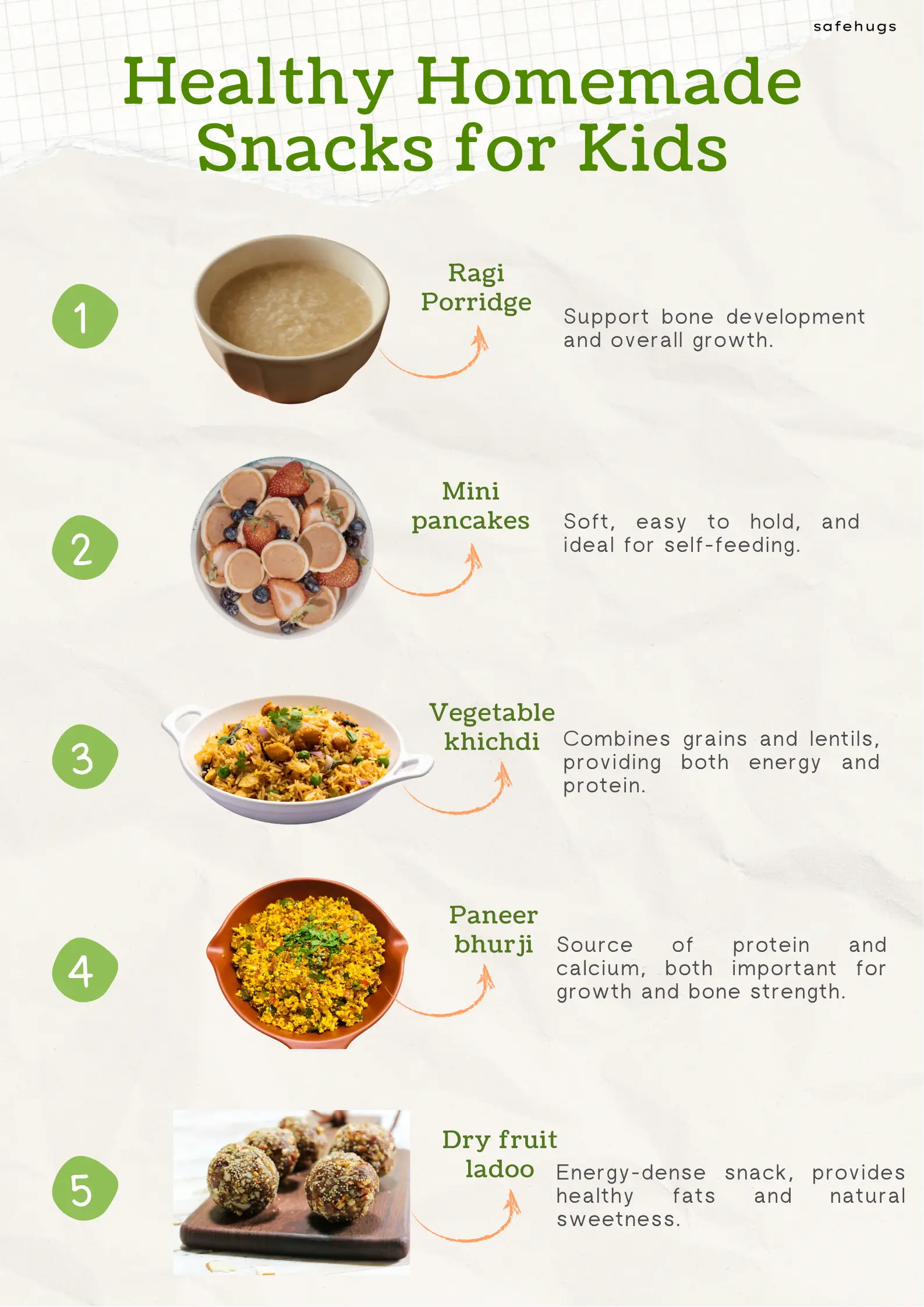
Simple and Practical Homemade Snack Ideas
Ragi porridge
Ragi porridge is a nutrient-dense snack, naturally rich in iron and calcium, which support bone development and overall growth. It is easy to digest and works well for both younger and older babies.
How to make: cook ragi flour in water on low flame, stirring continuously to avoid lumps. Once thick, add mashed banana or a little ghee. For older kids, you can add milk or dates puree for natural sweetness.
Mini pancakes (atta / ragi / oats)
Mini pancakes are soft, easy to hold, and ideal for self-feeding, especially for babies who prefer finger foods. They provide steady energy from grains and can be adapted with different ingredients for variety.
How to make: mix flour (atta/ragi/oats) with mashed banana or apple puree, add a little curd or water, and cook small pancakes on a pan. You can also add grated carrot or beetroot for extra nutrients.
Starting solids and unsure about oats? Read "Is Oats Safe for Babies?" to understand when and how to introduce it safely.
Vegetable khichdi
Vegetable khichdi is a balanced and comforting snack that combines grains and lentils, providing both energy and protein. It can be given in smaller portions as a filling snack, especially in the evening.
How to make: cook rice and moong dal with vegetables like carrot, lauki, spinach, or peas. Mash for younger babies or keep it soft for older kids. Add a little ghee for taste and energy.
Suji dosa or cheela
Suji dosa or cheela is a light and soft snack that is easy to chew and digest. It works well for children transitioning from purees to semi-solid foods while still being familiar and easy to accept.
How to make: mix suji or besan with water or curd to form a batter. Add grated vegetables and cook like small dosas. Cut into strips for easy handling.
Paneer bhurji
Paneer is a good source of protein and calcium, both important for growth and bone strength. Its soft texture makes it easy for babies and young children to chew and swallow.
How to make: cut into small cubes for finger food, lightly sauté with a pinch of turmeric, or crumble into soft bhurji. You can also mix paneer with vegetables.
Besan chilla (savory pancake)
Besan chilla is a protein-rich snack made from gram flour, making it a good vegetarian option. It is soft, easy to eat, and can be enhanced with vegetables for added nutrition.
How to make: mix besan with water, add grated vegetables like carrot or spinach, and cook like a pancake. Cut into small pieces for easy eating.
Vegetable poha
Vegetable poha is a light and easy-to-digest snack that provides quick energy. It is suitable for children who prefer softer textures and mild flavors.
How to make: soak poha briefly, then cook with minimal oil and soft vegetables. Keep it slightly moist for younger children.
Soft idli with ghee
Idli is a soft, fermented food that is gentle on the stomach and easy to digest. It makes a reliable snack option, especially for younger children.
How to make: serve plain idli pieces with a little ghee or mash with water/curd for younger babies.
Sweet potato mash
Sweet potato is naturally sweet, rich in fiber, and provides sustained energy. It is easy to digest and works well as a simple, filling snack.
How to make: steam or boil sweet potato, then mash with a little ghee. You can also mix it with banana for variation.
Egg-based snacks
Eggs are a high-quality source of protein and healthy fats, which support growth and brain development. They are easy to prepare and can be given in different forms based on the child’s preference.
How to make: offer mashed boiled egg (start with yolk for younger babies) or make a soft omelette and cut into small strips.
Dry fruit ladoo (no sugar)
Dry fruit ladoos are energy-dense snacks made with dates and nuts, providing healthy fats and natural sweetness. They are suitable for older toddlers when given in small quantities.
How to make: blend dates with powdered nuts, roll into small balls, and store for quick use.
Roti roll (using leftover roti)
Roti rolls are a practical snack option that helps reuse meal foods. They provide carbohydrates for energy and can be paired with simple fillings to make them more balanced.
How to make: spread mashed vegetables, paneer, or a little ghee and jaggery on roti, roll it, and cut into small pieces.
Sometimes I just make smaller portions of regular meals as snacks, like mini pancakes or a little ragi porridge. Using leftover batter or meal prep makes snack time much easier. - from our Mom Insider community
Daliya (broken wheat porridge)
Daliya is a wholesome and filling snack that provides sustained energy and fiber. It is easy to digest and can be given in both savory and mildly sweet forms.
How to make: cook daliya with water and vegetables for a savory version, or with milk and dates for a sweet version.
Healthy Snacks for Kids (School Lunchbox Ideas)
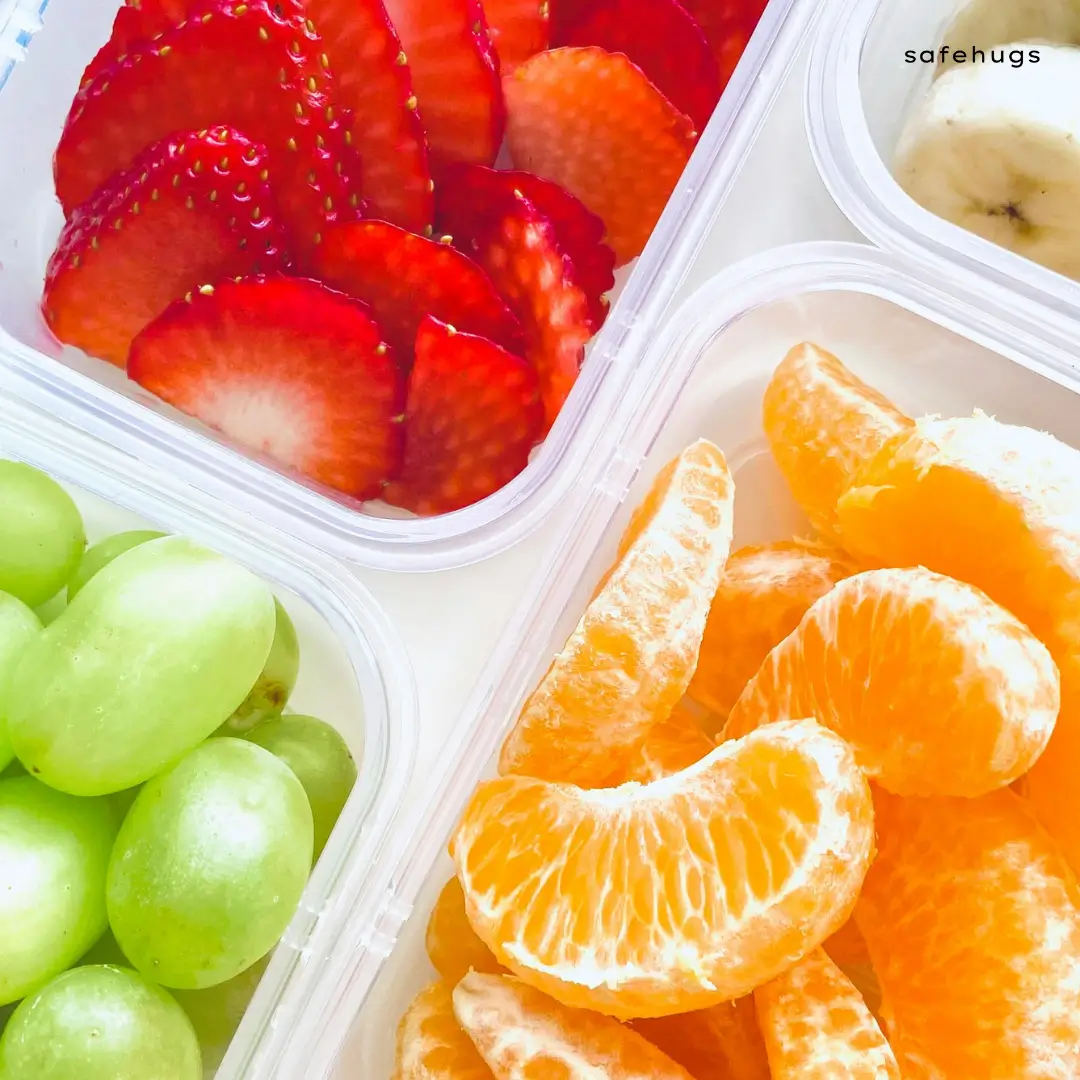
School snacks need to be practical, easy to eat, and filling enough to keep kids energized until the next meal. Unlike home snacks, lunchbox foods should travel well, stay fresh for a few hours, and not create too much mess. A good lunchbox snack is not just about what is "healthy," but also what your child will actually eat comfortably at school.
Stuffed paratha pieces
Stuffed parathas are a reliable lunchbox option because they are familiar, filling, and hold well for a few hours. They provide sustained energy and can keep children full until the next meal. You can use simple fillings like paneer, potato, or mixed vegetables depending on your child's preference. To make it easy to eat, cut the paratha into small squares or strips. Keep the oil minimal so it stays light and doesn't feel heavy during school hours.
Vegetable idli or plain idli bites
Idlis are soft, easy to chew, and one of the least messy options you can pack. Their light texture makes them suitable even for younger children who may take longer to eat. Cut idlis into bite-sized pieces so kids can pick them up easily without needing help. Adding a light coating of ghee helps prevent them from drying out and keeps the texture soft until snack time.
Dry poha or upma
Poha or upma works well when prepared in a slightly dry form so it doesn’t become soggy in the lunchbox. These are light but still provide enough energy to keep children active. Adding mild vegetables like carrot or peas improves nutrition without making the taste too strong. For older kids, a few peanuts can be added for extra texture and satiety.
Boiled corn or chana
Boiled corn or chana are simple, no-fuss snacks that are naturally filling and easy to prepare. They provide a good mix of energy and protein, making them suitable for mid-school hunger. Keep the seasoning mild and avoid spicy flavors so the child can eat comfortably. These also work well in small portions without creating a mess.
Mini sandwich
Sandwiches are convenient and easy for kids to eat quickly, especially during short breaks. Using simple, familiar fillings like vegetable mash, paneer spread, or peanut butter helps ensure the child actually finishes the snack. Cutting the sandwich into smaller portions makes it easier to handle and reduces wastage.
Cheela or savory pancake strips
Cheela or savory pancakes are soft, flexible, and easy to hold, making them ideal for children who prefer finger foods. They provide a good mix of energy and protein, especially when made with besan or mixed flours. Cutting them into strips makes them easier to eat independently. Avoid packing chutneys to keep the snack mess-free.
Fruit + something filling
Sending only fruits may not keep a child full for long. Pairing fruits with a slightly filling option helps balance quick energy with longer-lasting satiety. For example, fruit pieces with a small roti roll, pancake, or paneer cubes create a more complete snack. This combination works well for maintaining energy levels throughout the day.
Homemade energy bites (dates + nuts)
Energy bites made with dates and nuts are compact and nutrient-dense, making them useful when you need a quick addition to the lunchbox. They provide natural sweetness along with healthy fats and energy. Since they are filling, small portions are enough. These work best when paired with another light snack.
Soft thepla or plain paratha strips
Soft thepla or plain paratha is a practical option that stays good for hours without becoming too dry. It provides steady energy and is easy to chew, especially when cut into thin strips. Applying a light layer of ghee helps retain softness. Adding finely grated vegetables to the dough is an easy way to increase nutrition without changing the taste too much.
Vegetable sevai (semi-dry version)
Sevai is light, easy to digest, and generally well accepted by kids. When prepared in a semi-dry form, it travels well and doesn’t become sticky or messy. Mild vegetables like carrot or peas can be added for nutrition without overwhelming the flavor. It can be eaten with fingers or a spoon, depending on the child’s comfort.
Rice-based bites (lemon rice / curd rice balls)
Rice can be made more lunchbox-friendly by shaping it into small portions that are easy to pick and eat. Lemon rice or slightly thick curd rice works well when rolled into small balls. This reduces mess and makes it easier for kids to handle. Keeping the texture slightly firm helps it stay fresh for longer.
Boiled sweet potato cubes
Sweet potato is naturally sweet, soft, and filling, making it a good alternative to regular potato. It provides steady energy and is less likely to create a mess. Cutting it into small cubes and tossing lightly in ghee helps maintain softness and improves taste, even after a few hours.
Moong dal sprouts (lightly steamed)
Sprouts add variety and are a good source of plant-based protein. Light steaming makes them softer and easier to digest, especially for younger children. Keeping the seasoning minimal ensures the taste remains mild and acceptable. This snack works best in small quantities alongside another item.
Homemade vegetable cutlets (shallow cooked)
Vegetable cutlets are a practical way to combine vegetables and grains into a single snack. When made soft and shallow cooked, they are easier for children to bite and chew. They hold their shape well, making them suitable for lunchboxes. Using mild flavors helps ensure they are accepted easily.
Homemade murmura mix (puffed rice snack)
Murmura mix is a light, crunchy snack that many kids enjoy. It is easy to prepare and carry, making it suitable for quick snack boxes. Mixing puffed rice with peanuts and roasted chana adds some protein and texture. Keeping the flavors mild ensures it remains child-friendly and easy to eat during school hours.
Want to support your child's brain development? Read Top Brain Foods for Toddlers & Growing Kids (0-10 Years) to know what to include in their daily diet.
Healthy Snacks for Toddlers
At this stage, snacks should be easy to chew, simple in texture, and balanced. Toddlers are still learning how to handle food in their mouth, so soft, manageable pieces work best. It also helps to offer a mix of familiar foods along with small variations to slowly build acceptance.
Soft fruits like banana, papaya, chikoo, or steamed apple are ideal toddler snacks. They are naturally sweet, easy to digest, and usually well accepted even by picky eaters. Instead of offering fruits alone every time, you can make them more filling by pairing with curd, a small pancake, or a pinch of nuts powder (if already introduced safely).
Curd (yogurt) is another reliable option, especially on days when your toddler refuses to eat much. It provides protein, calcium, and supports digestion. You can serve it plain or mix it with fruit to make it more appealing without adding sugar.
Finger foods work very well for toddlers who prefer self-feeding. Options like mini pancakes, soft idli pieces, dosa strips, or small paratha bites allow them to explore food independently. This not only improves eating skills but also reduces mealtime resistance.
Simple homemade foods in smaller portions can also double as snacks. A small bowl of vegetable khichdi, upma, or poha can work as a filling snack when given between meals. Many parents find this practical, especially when toddlers are not eating full meals consistently.
For protein, soft paneer cubes, well-cooked lentils, or a little egg (if included in the diet) can be added in snack time. These help keep toddlers full for longer and support growth without making the snack too heavy.
Protein Rich Healthy Snacks for Kids
Protein snacks are important for steady growth, muscle development, and keeping children full between meals. Many parents focus on main meals for protein, but adding small, consistent sources during snack time can make a noticeable difference, especially for kids who eat small portions.
1. Roasted chana is a simple, travel-friendly option that provides plant-based protein and fiber. It works well for older kids who can chew properly and can be packed dry without much preparation. You can also mix it with a small amount of puffed rice to make it lighter.
2. Besan-based snacks like besan chilla pieces or small besan pancakes are a practical way to add protein through gram flour. They are soft, easy to digest, and can be made in advance. Adding finely grated vegetables improves both nutrition and taste without making it too strong.
3. Egg-based snacks are one of the most efficient protein options if included in the child’s diet. Boiled egg pieces, soft omelette strips, or egg bhurji rolled in a small roti can work well as filling snacks that don’t require much preparation.
4. For vegetarian families, lentil-based snacks are very useful. Moong dal tikkis, soft dal pancakes, or even thick dal served in a small portion can act as a protein-rich snack. These are familiar foods, which makes them easier for children to accept.
5. Nut-based additions can also help increase protein intake in small quantities. Instead of giving nuts whole (for younger children), using powdered nuts mixed into foods like banana mash, porridge, or dough is a safer and more practical approach.
6. Cheese can be used occasionally as a snack in small amounts. It is easy to pack and generally liked by kids, but it’s best to keep portions moderate and avoid overly processed versions.
Another simple approach many parents use is repurposing meal components into snacks. For example, leftover dal can be turned into small pancakes, or extra chilla batter can be used later as a quick snack. This avoids extra effort while still maintaining nutritional balance.
Iron-Rich Healthy Snacks for Kids
Iron is essential for a child’s brain development, energy levels, and overall growth. Many children, especially in the early years, may not get enough iron through meals alone. Including small, iron-rich snacks during the day can help bridge this gap in a practical way.
Ragi-based snacks
Ragi is naturally rich in iron and works well in different forms like porridge, pancakes, or ragi dosa pieces. It is easy to digest and can be adjusted in texture based on age, making it suitable for both younger and older kids.
Dates (in small quantities)
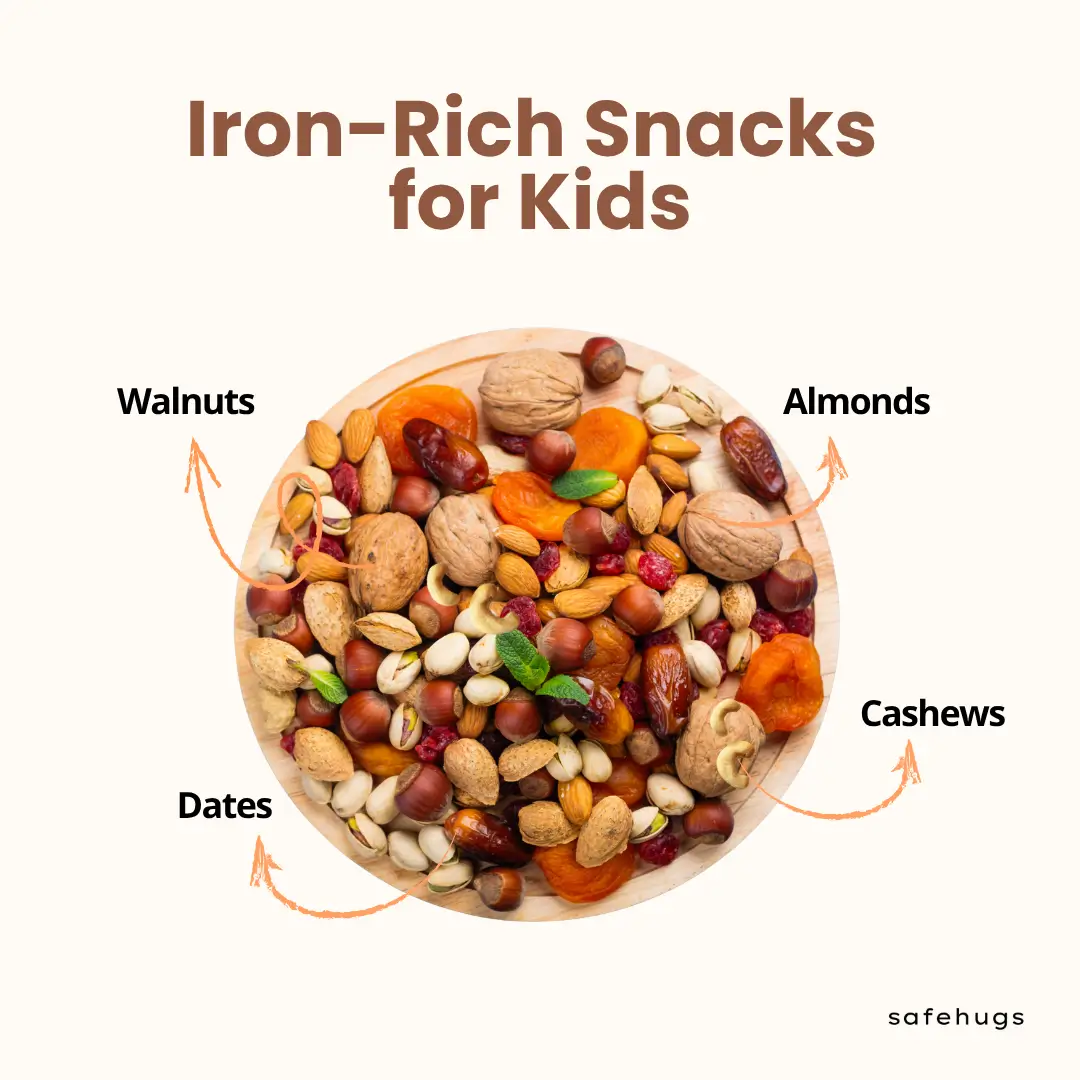
Dates are a natural source of iron and provide quick energy. For younger children, they can be mashed or mixed into porridge or dough. For older kids, small chopped pieces can be given directly.
Jaggery-based snacks
Using jaggery instead of refined sugar in homemade foods like laddoos, pancakes, or porridge adds a small amount of iron. It’s an easy swap that improves nutritional value without changing taste too much.
Beetroot-based snacks
Beetroot can be added to pancakes, cutlets, or paratha dough. It provides iron along with natural color, which often makes the snack more appealing to kids.
Roasted or powdered seeds
Seeds like sesame (til) can be added in powdered form to laddoos or mixed into food. They are small but nutrient-dense and can increase iron intake without requiring large portions.
Lentil-based snacks
Moong dal, masoor dal, or mixed lentils can be used to make soft tikkis, pancakes, or small portions of thick dal. These are familiar foods that provide both iron and protein.
Dry fruits powder mix
A mix of powdered dry fruits (like almonds, cashews, and a small amount of raisins or dates) can be added to everyday foods. This helps improve iron intake gradually without needing separate snacks.
Pairing iron-rich foods with vitamin C sources helps the body absorb iron better. For example, adding a few drops of lemon to dal or offering fruit alongside iron-rich snacks. - from our Mom Insider community
Brain Boosting Snacks for Kids
Brain development in children depends on consistent intake of healthy fats, essential nutrients, and steady energy throughout the day.
Nuts and seeds-based snacks
Almonds, walnuts, and seeds like flax or chia provide healthy fats that support brain function. For younger kids, these can be given in powdered form mixed into foods like porridge, banana mash, or dough. For older kids, small portions can be given as is, if safe to chew.
Banana with nut additions
Banana provides quick energy, while adding nuts powder or peanut butter (if suitable) improves the fat and nutrient content. This combination helps maintain steady energy levels, which is important for concentration.
Whole grain snacks
Foods made with oats, ragi, or whole wheat provide slow-releasing energy. Snacks like mini pancakes, dosa, or porridge made from these grains help avoid sudden energy drops, keeping children active and focused.
Curd with fruit
Curd supports gut health, which is closely linked to overall well-being, including brain function. Pairing it with fruit adds natural sugars for energy without relying on processed snacks.
Vegetable-based snacks
Vegetables like carrot, beetroot, and spinach contain vitamins and antioxidants that support overall brain health. Adding them to snacks like cheela, pancakes, or cutlets improves nutrition without making big changes.
Want to strengthen your child's immunity? Read Best Immunity Boosting Foods for Kids to know what to include in their daily diet.
What If Your Child Only Eats Fruit?
It’s very common for children to go through a phase where they prefer only fruits. Fruits are naturally sweet, easy to eat, and require no effort to chew or swallow, which makes them a comfort choice for many kids. While fruits are healthy, relying on them alone can lead to gaps in nutrition, especially protein, fats, and iron.
The goal here is not to stop fruits, but to slowly build balance around them. One practical approach is to pair fruits with something more filling. For example, instead of giving only banana, you can offer banana with a small amount of curd, nuts powder, or alongside a mini pancake. You can also start slightly modifying textures. If your child prefers fruit purees, try making them a little thicker over time or mixing small amounts of other foods into it, like ragi, oats, or even a spoon of dal. These small changes are often better accepted than completely new foods.
Another helpful approach is to offer fruits at a fixed time, like mid-morning or evening snack, rather than throughout the day. When fruits are given too frequently, children may not feel hungry enough to try other foods.
At 6-7 months, babies preferring fruit purees is quite common. Slowly increasing texture and offering thicker purees over time helped my baby transition to other foods. - from our Mom Insider community
Best Snacks for Picky Eaters Kids
Feeding picky eaters can feel frustrating, especially when they reject new foods or eat very small quantities. In most cases, it’s not about hunger, preference, taste, texture, and familiarity matter more.
Children are more likely to accept foods they recognize. Avoid overcomplicating snacks with too many ingredients.
Focus on finger foods since it increases self-feeding interest. Good options: mini pancakes, soft idli pieces, dosa strips, small paratha bites.
Use mild flavors, strong or mixed flavors can feel overwhelming. Better choices: plain poha, soft upma, lightly seasoned vegetables.
Repeat without pressure. Offer the same food in different forms, for example, batter as pancakes or small bite-sized pieces.
Some kids prefer soft foods, others like slightly firm finger foods. Observe what your child is comfortable with and build around that.
Instead of introducing a completely new snack, combine it with something your child already likes. Example: fruit with a small roti roll or paneer piece.
Keep portions small, large portions can overwhelm picky eaters. Small servings feel more manageable and less intimidating.
Avoid force-feeding, pressure often leads to more resistance. A relaxed environment helps children explore food better.
My baby suddenly stopped eating meals and only wanted certain foods. Going back to simple options like potato, curd rice, and finger foods helped. It also took a lot of trial and error to understand what textures and flavors my baby prefers. - from our Mom Insider community
Snacks to Limit or Avoid
Not all snacks support a child’s growth. Some options may fill them up but offer very little nutrition, and over time, this can affect appetite, energy levels, and eating habits.
Chips, instant noodles, and fried snacks are high in salt, unhealthy fats, and additives. They can reduce hunger for proper meals.
Biscuits, cakes, chocolates, and flavored drinks often contain excess sugar. These can lead to energy spikes followed by sudden drops, making kids irritable and less interested in balanced foods.
Highly processed “kids snacks”, many marketed snacks may look healthy but contain preservatives, added sugars, and refined ingredients. It’s important to read labels instead of relying on packaging claims.
Tips to Encourage Healthy Snacking
Healthy snacking is not just about what you offer, but also how and when you offer it. Small changes in routine can make a big difference.
Offer snacks at fixed times, usually mid-morning and evening, with a gap of 2-3 hours from meals. This helps build hunger naturally.
Snacks should satisfy, not replace meals. Small portions help maintain appetite for the next meal.
Children often eat what they see. Keeping fruits, boiled foods, or homemade snacks ready makes healthier choices easier.
Children observe eating habits closely. When they see parents choosing simple, balanced foods, they are more likely to follow.
Screens or toys during snack time can reduce awareness of hunger and fullness. A calm eating environment helps better habits.
If a child is not hungry, it’s okay to skip a snack. Forcing food can create resistance over time
Healthy snacks for kids don’t need to be complicated or time-consuming. What matters most is offering simple, balanced options that support growth without replacing meals. Healthy snacks for kids are a great way to add nutrition throughout the day, especially for children who tend to eat smaller portions at mealtime.
Related:
Check out our blog on "Is oats safe for babies".
Check out our blog on "Top brain foods for toddlers & growing kids".
Check out our blog on "Best immunity boosting foods for kids".