Best Immunity Boosting Foods for Kids | What to Feed
Table of Content
Top Nutrients That Build Immunity in Kids
Best Immunity Boosting Foods for Kids
How to Increase Immunity in Kids Naturally
Home Remedies to Increase Immunity in Kids
Immunity Boosting Foods for Toddlers (1-3 Years)
Immunity Boosting Foods for Preschoolers (3-5 Years)
Seasonal Immunity Foods for Kids
Many parents notice that their child falls sick often from frequent colds, cough, or infections. It can feel worrying, especially in the early years. The good news is that this is common. A child's immune system is still developing, and regular exposure to viruses actually helps build stronger immunity over time. This is where immunity boosting foods for kids play an important role. While no food can prevent illness completely, the right nutrition supports the body's natural defence system.
I was always a sick child, hospital visits, asthma, infections… But I turned out okay. That experience made me less anxious with my baby. Even when she was sick for weeks, I kept reminding myself, this too shall pass. - from our Mom Insider community
Why Do Kids Fall Sick Often?
It's common for children to fall sick frequently, especially in the early years, and this is usually a normal part of development rather than a sign of weak immunity. A child's immune system is still maturing, so it takes time to build strong defences against infections. At the same time, regular exposure to new viruses, whether at home, outdoors, or in social settings, helps the body learn and adapt, even though it may lead to frequent colds and coughs. Seasonal changes, particularly during monsoon or winter, can also increase the risk of infections. In addition, factors like poor nutrition, lack of sleep, and an unbalanced lifestyle can affect immunity over time. As children grow, their immune system gradually becomes stronger, and the frequency of illness usually reduces.

Top Nutrients That Build Immunity in Kids
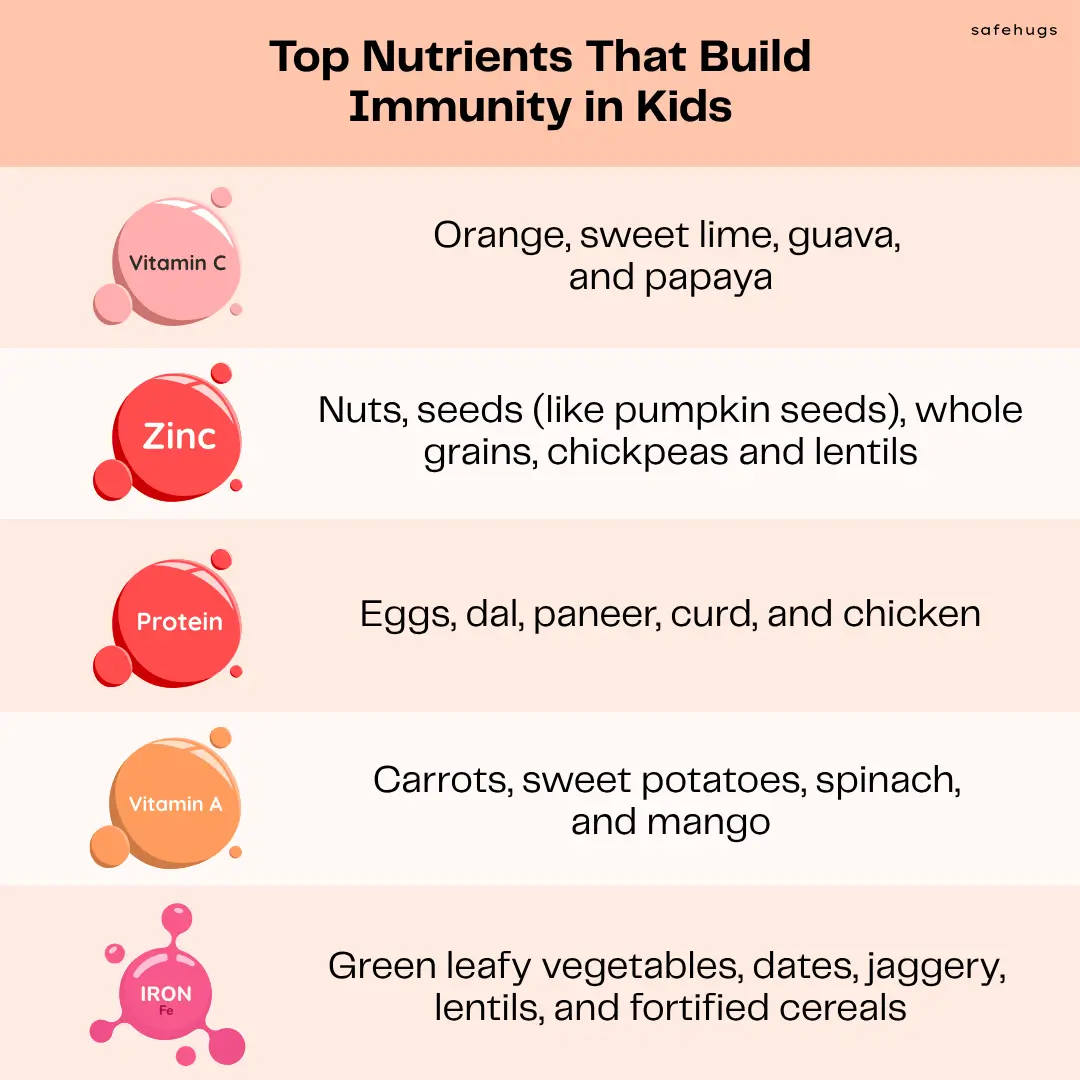
A child's immunity depends largely on the nutrients they get daily. Instead of focusing on single "superfoods," it's more important to include a variety of nutrient-rich foods that support the immune system naturally.
Vitamin C Foods for Kids Immunity
Vitamin C helps the body fight infections and recover faster. Include fruits like orange, sweet lime, guava, and papaya. These can be given as fresh fruit, juice (without added sugar), or mixed into meals.
Immunity - Your body's natural defence system that acts as a personal army that protects you from harmful germs like bacteria and viruses.
Zinc Rich Foods for Kids
Zinc supports immune response and may help reduce the duration of illnesses. Good sources include nuts, seeds (like pumpkin seeds), whole grains, and legumes such as chickpeas and lentils.
Protein Foods for Kids Immunity
Protein is essential for building antibodies that help the body fight infections. Include foods like eggs, dal, paneer, curd, and chicken in your child's daily diet.
Vitamin A Rich Foods
Vitamin A helps protect the body’s first line of defence, including the skin and gut lining. Foods like carrots, sweet potatoes, spinach, and mango are good sources.
Iron Rich Foods for Kids
Iron supports overall growth and helps the immune system function properly. Include foods like green leafy vegetables, dates, jaggery, lentils, and fortified cereals. Pairing these with Vitamin C foods improves absorption.
Want to support your child's brain development? Read Top Brain Foods for Toddlers & Growing Kids (0-10 Years) to know what to include in their daily diet.
Best Immunity Boosting Foods for Kids
A strong immune system is built through everyday foods, not quick fixes. Including a mix of fruits, vegetables, proteins, and traditional foods in your child's diet can help support immunity naturally.
Best Fruits for Kids Immunity
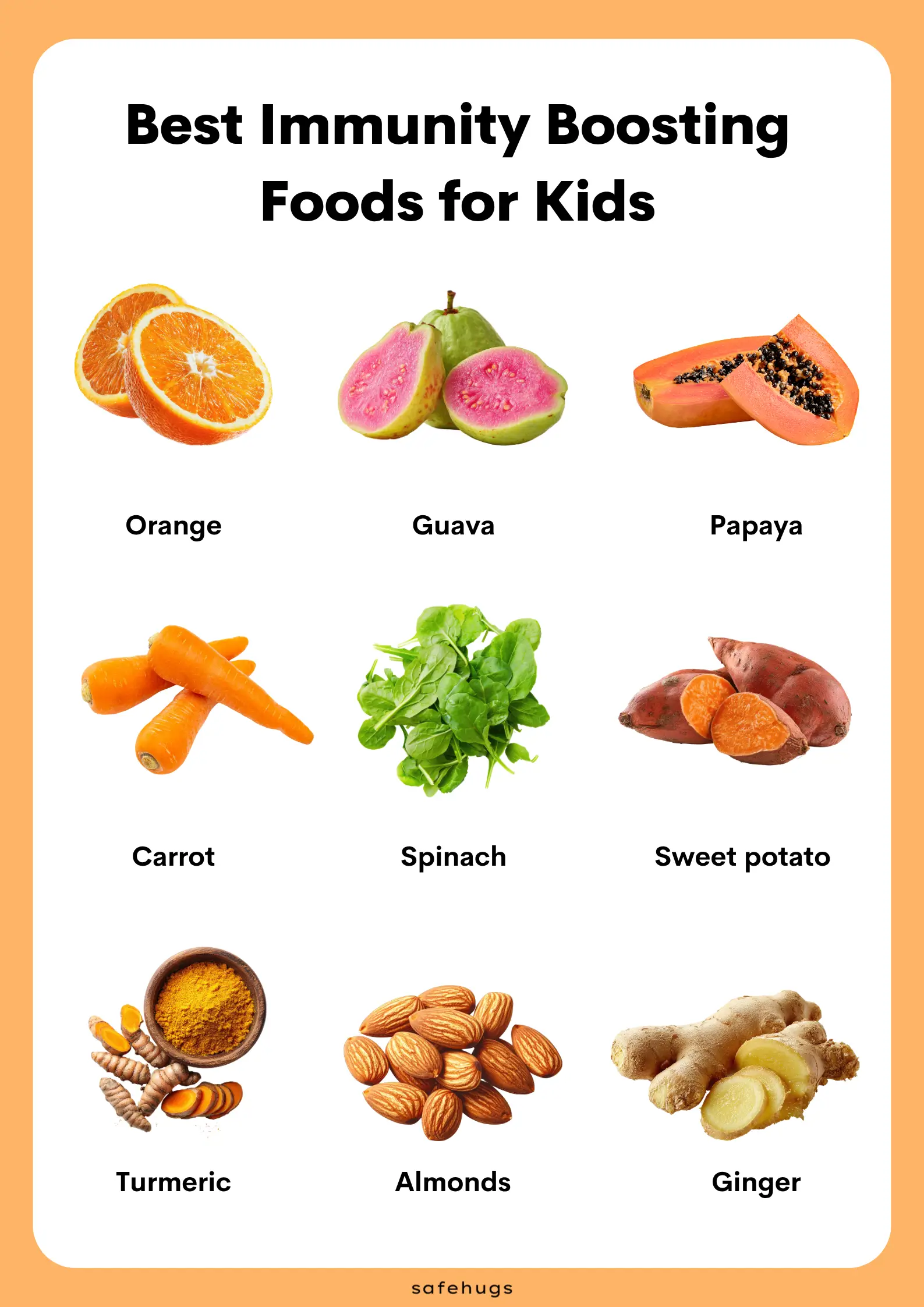
Fruits are rich in vitamins, antioxidants, and natural hydration. Options like orange, sweet lime, guava, papaya, and berries are especially helpful due to their high Vitamin C content. They support the body in fighting infections and recovering faster. Serve them fresh, as cut fruits, smoothies, or mixed into meals.
Antioxidants - Natural substances found in foods that help protect the body's cells from damage.
Best Vegetables for Kids Immunity
Vegetables provide essential nutrients that protect the body at a cellular level. Carrot, spinach, beetroot, broccoli, and sweet potato are great choices. They are rich in antioxidants, Vitamin A, and fiber. You can include them in soups, dals, parathas, or simple stir-fries to make them more acceptable for kids.
Nuts and Seeds for Immunity
Nuts and seeds are nutrient-dense and support overall health. Almonds, walnuts, flaxseeds, and pumpkin seeds provide healthy fats, zinc, and Vitamin E. For younger children, always serve in powdered or paste form to avoid choking risks.
Probiotics for Kids Immunity
Simple, traditional ingredients often play a powerful role in supporting immunity. Turmeric, ginger, garlic, and ajwain are commonly used in Indian kitchens and have natural anti-inflammatory and antimicrobial properties. These can be added in small, age-appropriate amounts to everyday cooking.
How to Increase Immunity in Kids Naturally
Building strong immunity in children is not about one food or remedy, it comes from simple, consistent daily habits.
A balanced diet is the foundation. Including a variety of fruits, vegetables, proteins, whole grains, and healthy fats ensures your child gets all the essential nutrients needed for immune function. Instead of focusing on perfection, aim for variety over time.
Good sleep is equally important. During sleep, the body repairs and strengthens its defense system. Children who don’t get enough rest may fall sick more often, so maintaining a consistent sleep routine helps support overall immunity.
Outdoor play helps in more ways than one. Exposure to fresh air, sunlight (for Vitamin D), and natural environments supports physical health and immune development. It also keeps children active and reduces stress.
Hydration is often overlooked but essential. Water helps flush out toxins and supports all body functions, including immunity. Along with water, fluids like soups, coconut water, and buttermilk can be included.
Good hygiene habits play a key role in preventing infections. Simple practices like regular handwashing, covering the mouth while coughing, and keeping surroundings clean can significantly reduce the spread of germs.
Home Remedies to Increase Immunity in Kids
Simple home remedies can support your child’s immunity and provide comfort during mild cold and cough. These should be used as supportive care, not as a replacement for medical treatment. Turmeric milk is a commonly used remedy known for its anti-inflammatory properties. A small pinch of turmeric in warm milk (for older babies and children) can help soothe the throat and support overall immunity. Ginger-based remedies may help relieve cough and improve digestion. For older children, a mild ginger infusion or adding a little ginger to food can be helpful. Keep the quantity small and suitable for the child’s age. Steam inhalation can help clear nasal congestion and ease breathing. It is especially useful during colds, but should always be done carefully under adult supervision to avoid burns.
Anti-inflammatory - Something that helps reduce inflammation, swelling, irritation, or discomfort in the body.
Safety Tips
Do not give honey to babies under 1 year
Avoid giving random medications or cough syrups without medical advice
Always consider your child's age before trying any remedy

Immunity Boosting Foods for Toddlers (1-3 Years)
At this stage, children are still developing eating habits and may be picky, so simple, soft, and nutrient-rich foods work best. Include mashed or soft fruits like banana, papaya, and steamed apple; well-cooked vegetables like carrot, pumpkin, and spinach; and protein sources such as dal, curd, paneer, and eggs. Small amounts of healthy fats like ghee can also support overall health. Finger foods like soft idli, dosa, or khichdi are easy to eat and digest. The focus should be on variety, texture, and repeated exposure rather than quantity.
Immunity Boosting Foods for Preschoolers (3-5 Years)
Preschoolers can eat a wider variety of foods and benefit from more structured meals. Include whole fruits instead of juices, a mix of vegetables in everyday meals, and protein-rich foods like eggs, legumes, paneer, and chicken. Nuts and seeds (in powdered form if needed) can be added to milk or snacks. Curd or buttermilk can support gut health. At this stage, building balanced meals and reducing processed snacks becomes important for long-term immunity.
Looking for easy, nutritious snack ideas? Read Healthy Snacks for Kids to make daily snacking simple and healthy.
Seasonal Immunity Foods for Kids
A child's immunity needs to change with the seasons. Including seasonal foods helps the body adapt better and stay protected against common infections.
Immunity Boosting Foods for Kids in Winter
During winter, children are more prone to cold, cough, and infections, so warm, nourishing foods are important. Include foods like soups, dal, khichdi, and lightly spiced home-cooked meals. Ingredients such as turmeric, ginger, and garlic can be added in small amounts to support immunity. Dry fruits like almonds and walnuts, along with warm milk, can also be helpful. Seasonal fruits like oranges and guava provide Vitamin C and should be included regularly.
Summer Immunity Foods for Kids
In summer, the focus should be on hydration and cooling foods. Fresh fruits like watermelon, muskmelon, and papaya help keep the body hydrated while providing essential nutrients. Curd, buttermilk, and coconut water support gut health and prevent dehydration. Light, easy-to-digest meals are better during this season, and ensuring adequate fluid intake is key to maintaining immunity.
Sample Daily Diet Plan to Boost Immunity in Children
A simple, balanced daily routine can go a long way in supporting your child's immunity. The focus should be on variety, home-cooked meals, and including different nutrients across the day.
Morning
Start the day with a glass of warm water. For older kids, you can add soaked almonds (peeled) or a few raisins for added nutrition.
Breakfast
Choose a wholesome option like idli with sambar, vegetable dosa, or vegetable upma. You can also include eggs or a glass of milk along with a fruit like banana or papaya.
Lunch
A balanced meal with roti or rice, dal, a vegetable sabzi (like carrot, spinach, or beetroot), and a bowl of curd. Adding a small amount of ghee can support overall nutrition.
Starting solids and unsure about oats? Read "Is Oats Safe for Babies?" to understand when and how to introduce it safely.
Snacks
Keep it light but nutritious, options like fruit chaat, boiled corn, roasted chana, or a smoothie made with fruits and curd work well. Avoid packaged snacks as much as possible.
Dinner
Simple and easy-to-digest meals like khichdi, dal rice, or roti with a mild vegetable curry. You can include soup or warm milk before bed if it suits your child.
This is just a sample framework. The goal is to offer a variety of foods across the day rather than focusing on one "perfect" meal.
Breastfeeding & Immunity
Breastfeeding plays an important role in building a baby’s immunity, especially in the early months when their immune system is still developing.

Do Breastfed Babies Have Better Immunity?
Breast milk contains antibodies and protective factors that help a baby fight infections. It adapts to the baby’s needs and provides ongoing immune support. While all babies can fall sick, breastfed babies often receive added protection, especially against common infections.
Breast milk does not pass infections. It actually passes antibodies that help protect the baby. - from our Mom Insider community
Can You Breastfeed When Sick?
Yes, you can and should continue breastfeeding even if you have a cold, cough, or fever. Your body produces antibodies against the illness, and these are passed to your baby through breast milk, helping protect them.
Practical Tips for Safe Feeding During Illness
Wash hands frequently before handling the baby
Wear a mask while feeding if you have a cough or cold
Avoid coughing or sneezing close to the baby
Stay hydrated and rest as much as possible
Consult a doctor before taking any medication
Continuing breastfeeding during illness not only nourishes your baby but also supports their immunity during that time.
Common Myths About Kids Immunity
There is a lot of confusion around what affects a child’s immunity. Clearing these myths helps parents make better, informed decisions.
Myth 1: Fruits cause cold
Fruits do not cause cold. Colds are caused by viruses, not by eating fruits. In fact, fruits rich in Vitamin C support immunity and should be included regularly in a child’s diet.
He will not get cold if you eat fruits. Cold spreads through viruses, not through breast milk or food. - from our Mom Insider community
Myth 2: Breastfeeding spreads infection
Breastfeeding does not spread common infections like cold or cough. Instead, breast milk provides antibodies that help protect the baby. Continuing to breastfeed during illness is usually recommended.
Myth 3: Formula is always better for health
Formula is a useful alternative when needed, but it is not automatically “better.” Breast milk provides natural immune protection. At the same time, formula feeding can be safe and healthy when done correctly, hygiene and proper preparation are important.
Myth 4: Home remedies cure everything
Home remedies can help relieve mild symptoms and support recovery, but they are not a cure for all illnesses. Medical advice is important, especially if symptoms persist or worsen.
Foods That Weaken Immunity in Kids
A child’s immunity is not just about what to include, but also what to limit. Certain foods, when consumed regularly, can affect how well the immune system functions over time. Excess sugar can suppress immune response and reduce the body’s ability to fight infections. Frequent intake of sweets, sugary drinks, and desserts can also impact overall health. Processed foods often contain preservatives, additives, and low nutritional value. These foods may fill the stomach but do not provide the nutrients needed to support immunity. Junk snacks like chips, packaged biscuits, and fried foods are high in unhealthy fats and salt. Regular consumption can replace healthier options and lead to poor dietary habits. Occasional treats are fine, but keeping these foods limited and focusing more on fresh, home-cooked meals helps support better immunity in the long run.
Daily Habits That Improve Immunity Naturally
Strong immunity is built through simple daily routines, not just food. Small, consistent habits can make a big difference in how well your child’s body fights infections. A regular sleep routine is essential. Adequate sleep allows the body to repair, recover, and strengthen its immune response. Children who sleep well tend to fall sick less often. Physical activity supports overall health and immunity. Daily play, especially outdoors, helps improve circulation, supports Vitamin D levels, and keeps the body active and resilient. A clean environment reduces exposure to harmful germs. Simple habits like regular handwashing, keeping toys and surroundings clean, and maintaining basic hygiene can help prevent infections.
Common Mistakes Parents Make
While trying to improve their child’s immunity, some common habits can unintentionally do more harm than good.
Overusing supplements without medical advice can be unnecessary. Most children can get the nutrients they need from a balanced diet, and excess supplementation may not provide added benefits.
Force feeding can create a negative relationship with food. It may lead to resistance, picky eating, and stress during mealtimes, rather than improving nutrition.
Ignoring balanced nutrition and focusing on just one or two “healthy” foods can limit the variety of nutrients a child needs. Immunity depends on a mix of vitamins, minerals, and proteins working together.
Relying only on quick fixes like home remedies or shortcuts instead of building long-term healthy habits can delay real progress. Immunity develops gradually through consistent care.
“Formula is not bad, but unnecessary use without proper hygiene can increase infection risks. Always make informed choices.” - from our Mom Insider community
How to Improve a Weak Immune System in a Child
If your child seems to fall sick often, the focus should be on strengthening immunity gradually through the right habits and timely support. Diet correction is the first step. Ensure your child gets a balanced mix of fruits, vegetables, proteins, whole grains, and healthy fats. Including foods rich in Vitamin C, iron, zinc, and probiotics can help support immune function over time. Lifestyle changes also play a key role. Adequate sleep, regular physical activity, proper hydration, and good hygiene habits help the body stay resilient against infections. Reducing processed foods and maintaining a consistent routine can make a noticeable difference. When to seek expert help depends on your child’s overall health. If frequent illnesses are affecting daily life or recovery seems slow, it’s best to consult a pediatrician for proper evaluation and guidance.
When to See a Doctor
While occasional illness is normal, certain signs should not be ignored:
Frequent infections that occur very often or take longer than usual to recover
Breathing issues such as wheezing, difficulty breathing, or persistent cough
Poor growth or lack of weight gain over time
Persistent fever that does not settle or keeps returning
If you notice any of these symptoms, seeking medical advice early can help address the underlying issue and ensure your child gets the right care.
Takeaways
Building strong immunity in children is a gradual process. It doesn't happen overnight, and it doesn't come from one food or one remedy. It develops over time through everyday habits, balanced meals, good sleep, active play, and consistent care. What matters most is consistency, not perfection. Some days will go as planned, and some won’t, and that’s completely okay. Small, regular efforts add up and make a real difference in the long run.
Related:
Check out our blog on "Is Oats Safe for Babies".
Check out our blog on "Top Brain Foods for Toddlers & Growing Kids (0-10 Years)".
Check out our blog on "Healthy Snacks for Kids".