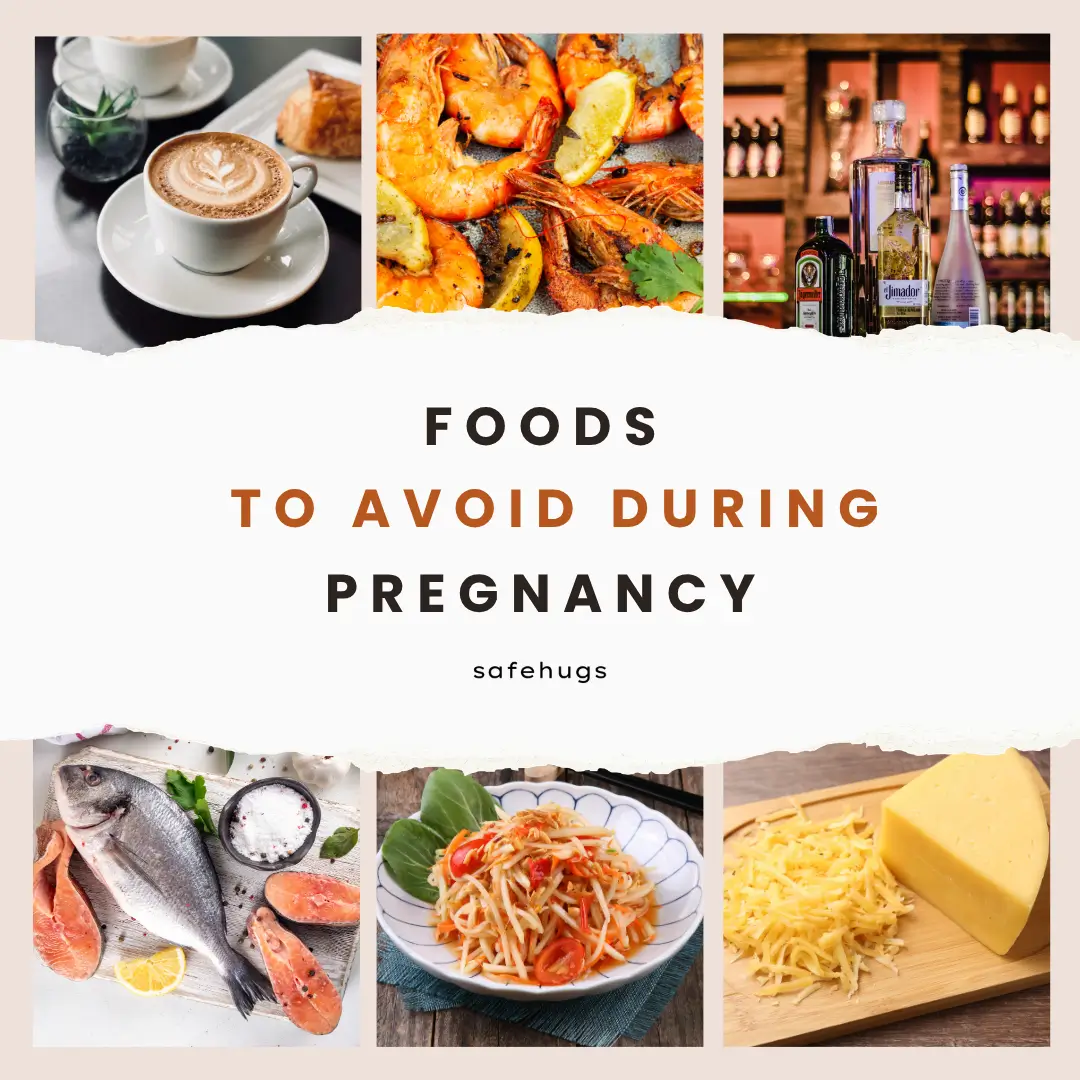
Foods to Avoid During Pregnancy for a Healthy Baby
Table of Content
Why Some Foods are Restricted During Pregnancy?
Foods to Avoid During Pregnancy
Foods to Limit During Pregnancy
Indian Foods to Avoid During Pregnancy
Supplements & Protein Powders
What to Eat Instead
"What foods to avoid during pregnancy?" and "Which foods can harm the baby or cause miscarriage?" are some of the most common questions expectant mothers have. With advice coming from elders, the internet, and doctors, it's easy to feel confused about what is truly safe. The truth is, not everything needs to be avoided. Pregnancy nutrition is not about restricting every food, it's about making informed choices. Understanding which foods to avoid, which to limit, and how to maintain proper hygiene can help ensure a healthy pregnancy for both mother and baby.
What Foods to Avoid During Pregnancy?
Raw or undercooked meat, eggs, and fish
Unpasteurized dairy products
High-mercury fish
Alcohol and excess caffeine
Processed and unhygienic foods
Some foods don't need to be completely avoided but should be consumed in limited amounts.

Why some foods are restricted during pregnancy
Certain foods are restricted during pregnancy to protect both the mother and the baby from potential health risks. During this time, the body becomes more sensitive, and even small dietary risks can have a bigger impact. Foods like raw or unpasteurized items can carry harmful bacteria such as Listeria and Salmonella, which may lead to infections and complications. Some foods, especially high-mercury fish, can affect the baby's brain and organ development. Pregnancy also makes digestion slower and more sensitive, so certain foods may cause discomfort or acidity. Additionally, consuming too much sugar or highly processed foods can increase the risk of conditions like gestational diabetes (GD). Understanding these factors helps in making safer and more balanced food choices during pregnancy.
Foods to Avoid During Pregnancy (Strictly Avoid)
Some foods should be completely avoided during pregnancy as they can pose serious health risks to both the mother and the baby. These risks include infections, developmental issues, and pregnancy complications.
Raw or Undercooked Foods
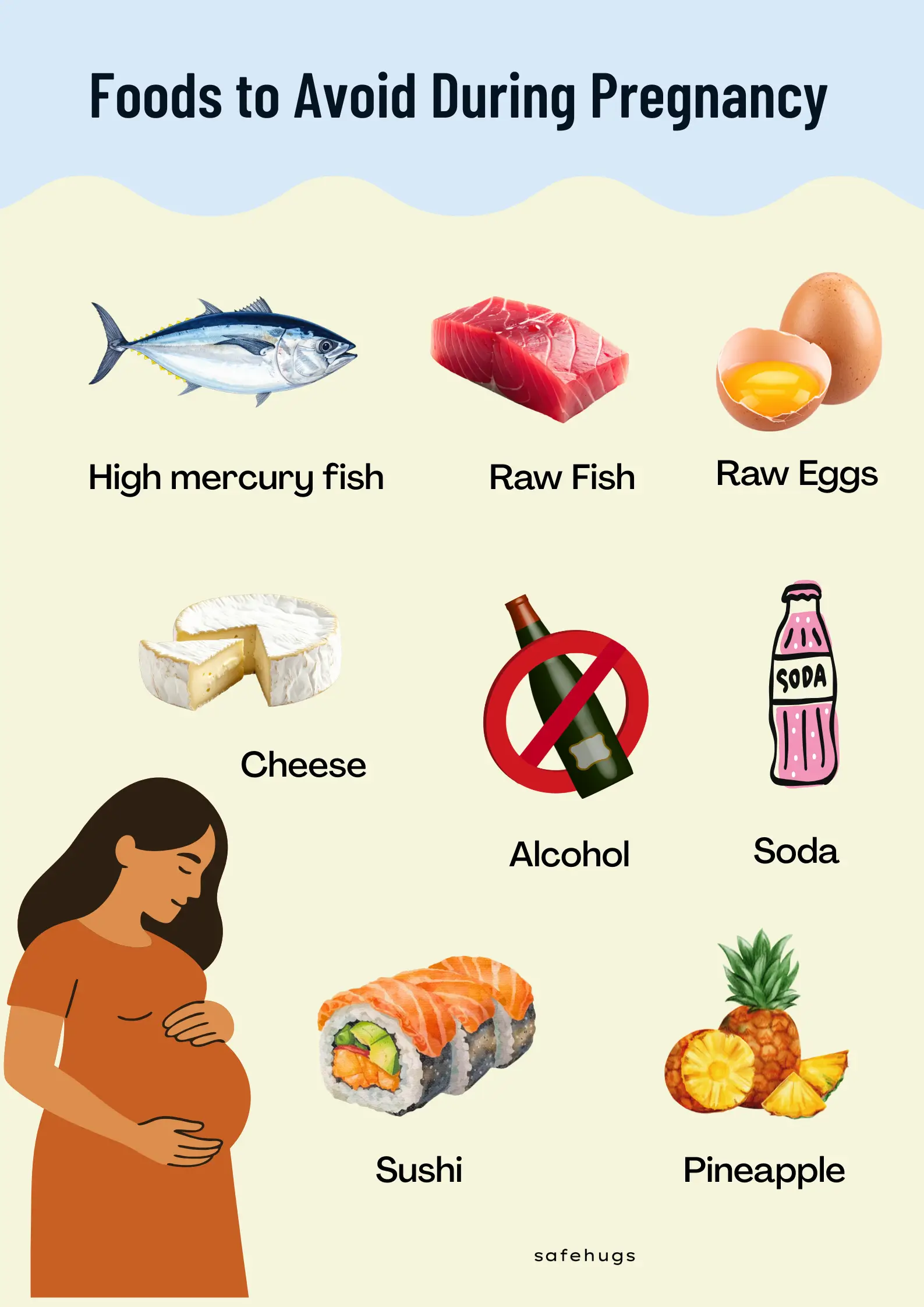
Raw or undercooked foods such as raw eggs, half-boiled eggs, sushi, and undercooked meat should be strictly avoided during pregnancy. These foods may contain harmful bacteria like Salmonella or parasites that can lead to infections. Since immunity is lower during pregnancy, such infections can become more serious and may affect both the mother and the baby.
High-Mercury Fish
Fish like shark, swordfish, and king mackerel contain high levels of mercury, which can be harmful during pregnancy. Mercury exposure can affect the baby’s brain and nervous system development, especially in the early stages. It is safer to completely avoid these types of fish and choose low-mercury options instead.
Unpasteurized Dairy Products
Unpasteurized dairy products, including raw milk, soft cheeses, and items like unpasteurized cream cheese or sour cream, should be avoided. These may contain Listeria bacteria, which can lead to serious infections during pregnancy. Always check labels and ensure that all dairy products consumed are pasteurized.
Alcohol
Alcohol should be completely avoided during pregnancy, as there is no safe level of consumption. It can pass directly to the baby through the placenta and may lead to fetal alcohol syndrome and other developmental complications. Avoiding alcohol entirely is the safest choice.
Street Food and Unhygienic Food
Street food or food prepared in unhygienic conditions should be avoided during pregnancy. Such foods may be exposed to contamination or improper handling, increasing the risk of foodborne illnesses. Since pregnancy lowers immunity, even mild infections can become severe, making it important to choose clean, freshly prepared meals.
Looking for reassurance? Read Signs Your Pregnancy Is Going Well in the First Trimester to understand what healthy early pregnancy really looks like.
Foods to Limit During Pregnancy (Not Completely Avoid)
Not all foods need to be completely avoided during pregnancy. Many foods are safe when consumed in moderation. The focus should be on quantity, quality, and how your body responds to certain foods.
Caffeine (Coffee & Tea)
Caffeine can be consumed during pregnancy, but only in limited amounts. It passes through the placenta, and the baby cannot process it effectively. A safe limit is around 200 mg per day, which is roughly 1-2 cups of coffee or 2-3 cups of tea. Consuming too much caffeine may increase the risk of low birth weight and can also affect sleep and hydration. Since caffeine is also present in chocolate, soft drinks, and green tea, it's important to consider total intake and keep it moderate.
Several moms shared that moderate coffee consumption is generally considered safe. Most doctors allow 1-2 cups of regular home-style coffee per day. However, some moms noticed acidity or mouth ulcers with excess intake, so it’s best to observe how your body reacts. - from our Mom Insider community
Spicy & Gas-Producing Foods
Spicy and gas-producing foods are generally safe during pregnancy but may cause discomfort for the mother. Foods like chole, rajma, cabbage, and heavily spiced dishes can lead to bloating, gas, acidity, or indigestion due to slower digestion during pregnancy. These foods do not harm the baby, but if they cause discomfort, it is best to consume them in smaller quantities or avoid them based on personal tolerance.
Sugary Foods
Sugary foods can be enjoyed occasionally but should not be consumed in excess. Items like cakes, chocolates, sweets, packaged juices, and soft drinks are high in sugar and provide little nutritional value. Excess sugar intake can lead to unhealthy weight gain and increase the risk of gestational diabetes (GD). It is especially important for mothers with GD to carefully monitor and limit sugar consumption, choosing healthier alternatives when possible.
Fruits to Limit During Pregnancy
Fruits are an important part of a healthy pregnancy diet, but some should be consumed in moderation. Fruits like pineapple, papaya (especially unripe), and grapes are often advised to be limited. Unripe papaya may trigger uterine contractions, while excessive pineapple is believed to increase body heat, although moderate consumption is generally safe. Grapes, when eaten in large amounts, may cause acidity or digestive discomfort. Always choose ripe, fresh fruits and wash them thoroughly before consumption.
Vegetables to Limit During Pregnancy
Vegetables are essential for nutrition, but certain types may cause discomfort if consumed in large amounts. Vegetables like cabbage, cauliflower, and brinjal (eggplant) can sometimes lead to gas, bloating, or acidity. Additionally, poorly washed vegetables may carry bacteria or pesticide residues, which can be harmful during pregnancy. Proper washing and cooking are important to ensure safety.
Dry Fruits to Limit During Pregnancy
Dry fruits are rich in nutrients but are also high in calories, so they should be consumed in moderation. Almonds, cashews, raisins, and dates provide energy and essential nutrients, but overeating them can lead to excess calorie intake, weight gain, and sometimes increased body heat. A small handful per day is usually sufficient to gain their benefits without overconsumption.

Indian Foods to Avoid During Pregnancy
Indian diets are diverse and nutritious, but certain foods commonly consumed should be avoided or limited during pregnancy due to hygiene concerns, high spice levels, or potential health risks.
Street foods like pani puri, bhel puri, chaat, and roadside snacks should be avoided during pregnancy. These foods are often prepared in open environments where hygiene may not be maintained properly. Contaminated water, unclean utensils, or improper handling can increase the risk of infections and food poisoning.
Highly spicy and oily foods such as spicy curries, deep-fried snacks, and heavy gravies should be limited. While they do not harm the baby directly, they can cause acidity, heartburn, and indigestion, which are already common during pregnancy.
Consuming loose or unpasteurized milk from local vendors should be avoided unless it is properly boiled. Similarly, dairy products made from unpasteurized milk may carry harmful bacteria like Listeria. Always choose packaged, pasteurized dairy products or ensure milk is boiled well before consumption.
Pickles and papads are commonly consumed in Indian meals but should be limited. They are high in salt and preservatives, which can lead to water retention, bloating, and increased blood pressure if consumed in excess.
Dishes like half-cooked kebabs, tandoori items, or improperly cooked meat and eggs should be avoided. These may contain harmful bacteria or parasites if not cooked thoroughly, increasing the risk of infection.
Traditional herbal drinks or kadhas are often suggested during pregnancy, but not all are safe. Some herbs may not be suitable or well-studied for pregnancy and could cause unwanted effects. It is best to avoid consuming such preparations without consulting a doctor.
Supplements & Protein powders - Are they safe?
Many women wonder if supplements or protein powders are necessary during pregnancy. In most cases, a well-balanced diet is enough, but supplements may be recommended in certain situations to meet increased nutritional needs.
When Are Supplements Needed?
Supplements are usually suggested when dietary intake is not sufficient. This is common in women following a strict vegetarian diet, those who are unable to meet their protein requirements through food alone, or in cases where the doctor identifies a nutritional deficiency. In such situations, supplements can help support both the mother's health and the baby's development.
Protein Powder During Pregnancy
Is It Safe?
Protein powder can be safe during pregnancy when used correctly and under medical guidance. It should only be taken if recommended by a doctor and when dietary protein intake is inadequate. Choosing the right product is important to ensure safety.
Always take protein powders only if your doctor recommends them
Choose products with simple, safe ingredient lists
Avoid powders with high sugar content, especially if you have gestational diabetes
Many moms followed a mix of natural sources like dal, paneer, nuts, and milk, along with doctor-approved protein powders when needed. The key takeaway is moderation and choosing low-sugar, clean options. - from our Mom Insider community
What to Check Before Buying
Before choosing a protein powder during pregnancy, it is important to read the label carefully. Look for products that do not contain artificial additives, preservatives, or unnecessary chemicals. Avoid those with excess sugar or artificial sweeteners. Also, ensure that the protein source is of good quality, whether it is dairy-based or plant-based.
Popular Choices Moms Mention
Based on common experiences shared by mothers, some frequently used options include Prohance Mom SF, Ensure, and plant-based protein powders. These are often chosen for their availability and formulation, but suitability can vary from person to person.
Myth vs Fact: Pregnancy Diet
There is a lot of confusion around what to eat and avoid during pregnancy, especially in the early stages. Let's break down some common myths and understand the facts.
Myth: High protein is dangerous during pregnancy
Fact: Protein is essential for the baby's growth and development. It plays a key role in building tissues and supporting overall development. The focus should not be on avoiding protein, but on maintaining a balanced intake as per your body's needs and your doctor's advice.
Myth: Spicy or gas-producing foods affect the baby
Fact: Spicy and gas-producing foods do not directly affect the baby. However, they can cause discomfort such as bloating, gas, or acidity in the mother due to slower digestion during pregnancy. It is best to adjust intake based on personal tolerance.
Myth: You need to "eat for two" during pregnancy
Fact: Pregnancy does not mean doubling your food intake. Instead, it is important to eat smarter by focusing on nutrient-rich foods rather than increasing quantity. A balanced diet with the right nutrients is more important than eating more food.
What to Eat Instead
Focusing on the right foods during pregnancy is just as important as knowing what to avoid. A balanced, nutritious diet supports the baby’s growth and helps the mother stay healthy throughout the pregnancy.
Home-Cooked Meals
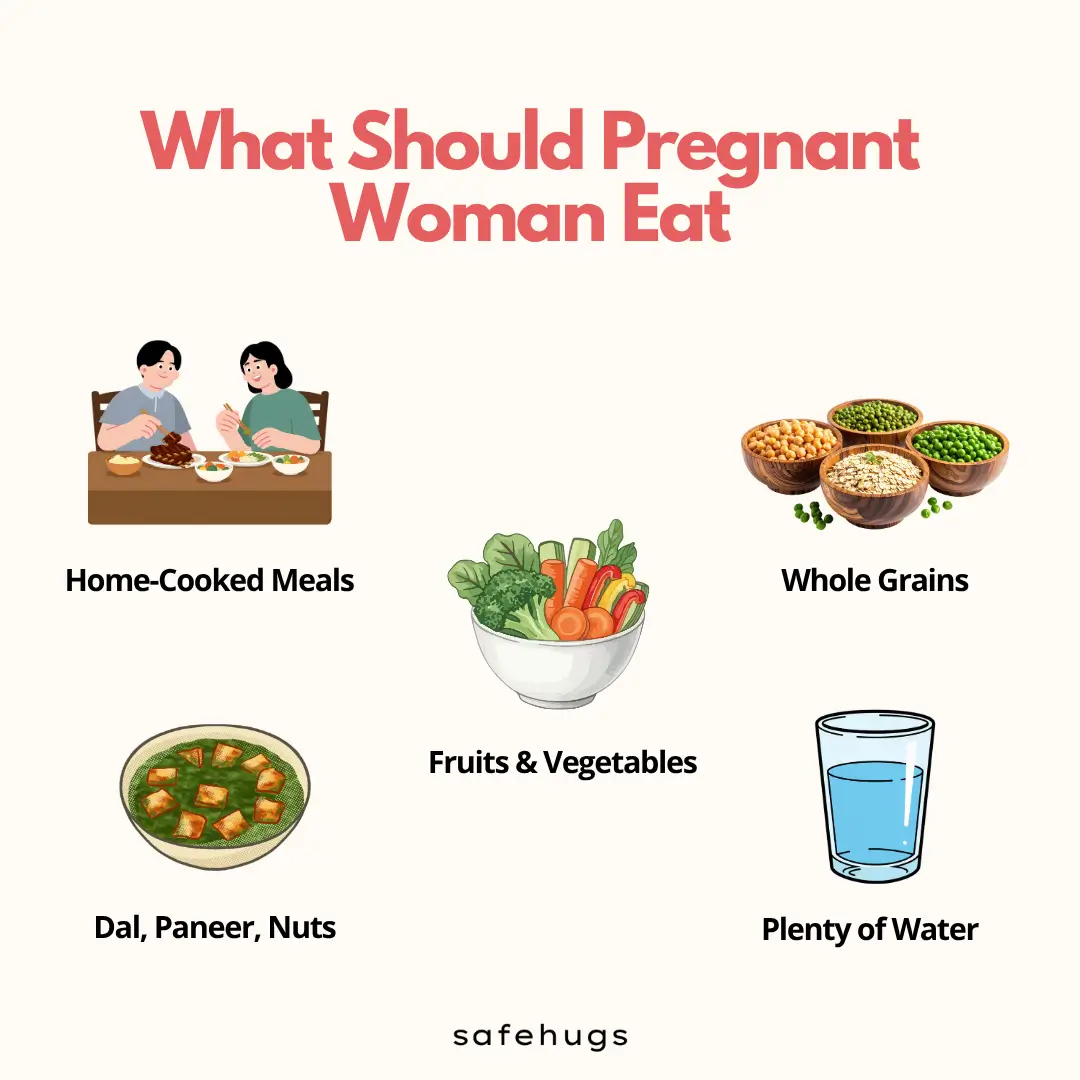
Freshly prepared, home-cooked meals are the safest and most reliable option during pregnancy. They ensure better hygiene, controlled ingredients, and balanced nutrition compared to outside or processed foods.
Fruits & Vegetables
Fruits and vegetables provide essential vitamins, minerals, and fiber. They support digestion, immunity, and overall health. Always wash them thoroughly and prefer seasonal, fresh produce.
Whole Grains
Whole grains like rice, wheat, oats, and millets are good sources of energy and fiber. They help maintain steady energy levels and support healthy digestion.
Protein Sources (Dal, Paneer, Nuts)
Protein is important for the baby's growth and tissue development. Include sources like dal, paneer, lentils, beans, and nuts in your daily diet to meet protein needs, especially for vegetarian diets.
Plenty of Water
Staying hydrated is essential during pregnancy. Drinking enough water helps with digestion, prevents constipation, and supports overall bodily functions.
Special situations
Certain conditions during pregnancy require extra care when it comes to diet. Making small adjustments can help manage symptoms and support a healthier pregnancy.
For Gestational Diabetes (GD) Moms
If you have gestational diabetes, it is important to control blood sugar levels through diet. Sugary foods such as sweets, desserts, chocolates, and packaged drinks should be avoided or strictly limited, as they can cause sudden spikes in blood sugar. Instead, focus on eating balanced meals that include the right mix of carbohydrates, protein, and fiber to maintain steady energy levels. It is also essential to monitor your food intake carefully, follow portion control, and stick to the diet plan advised by your doctor.
For Severe Vomiting (Morning Sickness)
Severe vomiting, especially in early pregnancy, can make eating and drinking difficult. In such cases, certain foods may worsen the condition and should be avoided.
Avoid: Heavy, oily foods that are difficult to digest, and milk or tea if they trigger nausea
Try: Eating small, frequent meals instead of large portions, choosing light and easy-to-digest snacks, and staying hydrated by taking small sips of water throughout the day
These simple adjustments can help manage nausea and prevent weakness or dehydration during early pregnancy.
Trimester-Wise Food Precautions
Food needs and tolerances change across each stage of pregnancy. Adjusting your diet trimester-wise can help manage symptoms and support healthy development.
First Trimester
During the first trimester, nausea, vomiting, and food aversions are common. The focus should be on managing nausea and maintaining basic nutrition. It is best to avoid strong-smelling, oily, or triggering foods that may worsen discomfort. Eating small, frequent meals and choosing light, easy-to-digest foods can help you stay nourished.
Many moms shared that nausea is worst on an empty stomach, especially in the morning. Having a small dry snack like rusk or namkeen before getting out of bed can help reduce vomiting. Some also found relief by avoiding trigger foods like milk, tea, or wheat for a few days. Natural options like ginger and lemon water were commonly helpful. - from our Mom Insider community
Second Trimester
The second trimester is usually more comfortable, with improved appetite and reduced nausea. This is the time to focus on balanced nutrition to support the baby’s growth. Include foods rich in protein and calcium, such as dal, paneer, milk, and nuts, along with whole grains, fruits, and vegetables for overall nourishment.
Third Trimester
In the third trimester, digestion can slow down, leading to acidity, bloating, or heaviness. The focus should be on maintaining energy while keeping meals light and easy to digest. Avoid heavy, oily foods and opt for smaller, frequent meals to stay comfortable and meet your nutritional needs.
Pregnancy diet doesn't have to be confusing or restrictive. Instead of worrying about every food, focus on simple principles like maintaining hygiene, eating in moderation, and following your doctor's guidance.